


Happy Thursday, Zapien — Here’s what we’re diving into this week:
How to master stress, own recovery, and train on point
Free Pro Supplement Guide to upgrade your stack with science
Community highlights: Ashwagandha, heavy metal detox, and travel sleep hacks
What sleep expert Dr. Matt Walker really uses to recover
Forever,
Karol, Martin, Simon & Andy
Presented By

Popular Discussion


Train smarter, recover faster: What HRV reveals about your body’s readiness, stress, and adaptation.

Imagine knowing exactly when to push harder in training - and when to hold back - so your body adapts instead of breaking down. That’s what heart rate variability (HRV) can offer.
I first heard about it 10 years ago when my school’s strength coach asked if there were devices to tell him when to rest his cricket fast bowlers before weekend matches. Back then, HRV tracking was rare and expensive, and I assumed it might be a gimmick. Years later, my first Garmin introduced me to the concept through its ‘Body Battery,’ and eventually, my Oura Ring showed me just how powerful HRV can be. Today, it guides my own training, helping me spot early signs of stress, overtraining, or illness. Over the past three years, my HRV has risen in step with my VO2 max, while my resting heart rate has fallen - supported by better training, less stress, and avoiding late eating. Together, these three markers point to greater resilience and recovery. The same principles that worked for me can help anyone build fitness more intelligently and sustainably.
Short Hack Long Life
Breathe through your nose for better health
Breathing seems simple, but how you breathe matters. Nasal breathing filters, warms, and humidifies the air you inhale — helping protect your airways from pathogens and irritants. Mouth breathing bypasses these defenses and is linked to higher airway resistance, more inflammation, and greater risk of upper respiratory issues.
Studies show that nasal breathing increases exposure to nitric oxide, a molecule produced in the sinuses that widens blood vessels, improves airflow, and has antimicrobial properties. Reviews highlight nitric oxide’s potential to support vascular and immune function.
During sleep, mouth breathing increases snoring and the risk of sleep apnea, while nasal breathing helps maintain clearer airflow and better oxygen balance. Practicing nasal breathing during the day can make it easier to maintain at night.
How to support nasal breathing:
👃 Keep your lips closed and notice mouth breathing
🏃 Practice nasal breathing during light exercise
🌙 Use nasal strips or gentle mouth tape at night
💧 Use a sea salt spray to keep your nose clean and moist
→ Small habit, big impact on calm and airflow.
Free Tool of the Week
Pro Supplement Guide
Top 10 Supplements That Require Blood Testing
✔ Discover the top 10 supplements—blood test recommended for full impact and safety
✔ Skip the guesswork and save 100+ hours of research
✔ Trusted by 10,000+ worldwide—ideal for intermediates & experts

WhatsApp Group Summary
Ashwagandha Insights
Discussion:
Members discussed how Ashwagandha affects mood, stress, and sleep. While some experienced calm and better rest, others noticed hormonal or mood-related side effects. Ana Lorena explained that results depend on the extract type, purity, and dosage.
Consider this:
• Quality and extraction method matter more than brand.
• Start slow and track how your body reacts over time.
Detox Questions
Discussion:
Jules asked about natural ways to remove heavy metals like arsenic and mercury. Members agreed detox shouldn’t be rushed and that professional testing is key before starting supplements or binders.
Consider this:
• Test first — don’t detox blindly.
• Focus on hydration, fiber, and liver support for safe, gradual cleansing.
Sleep & Recovery Tools
Discussion:
TiK asked for effective sleep masks for travel. Members shared options like Sleep Master and Manta, while Jens reminded that reducing indoor light and noise often helps more than fancy gear.
Consider this:
• Darkness and routine beat most gadgets.
• Try simple fixes first — a dark mask and cool room go a long way.
Community Health Stack

Dr. Matthew Walker
Professor of neuroscience and psychology, founder of the Center for Human Sleep Science, and sleep researcher. Using rigorous study of sleep to inform better health, cognition, and longevity.
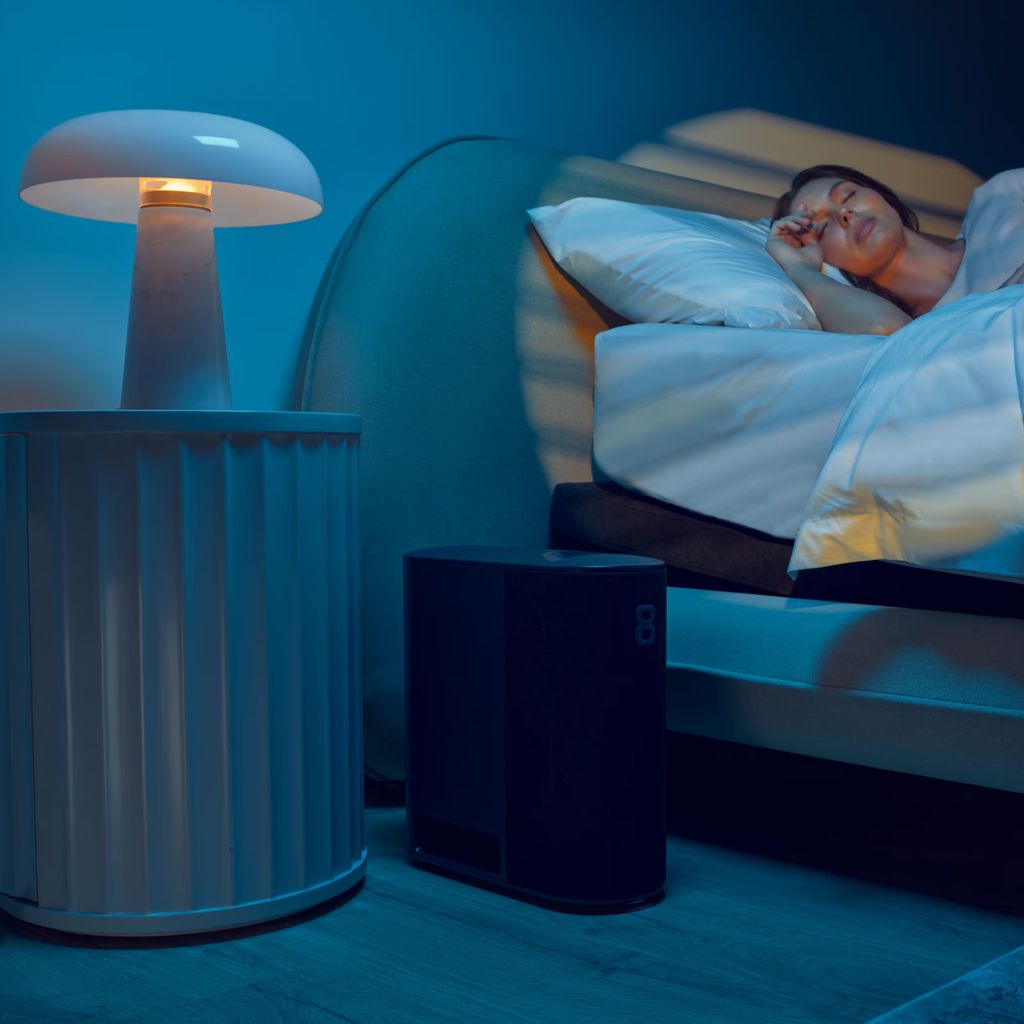
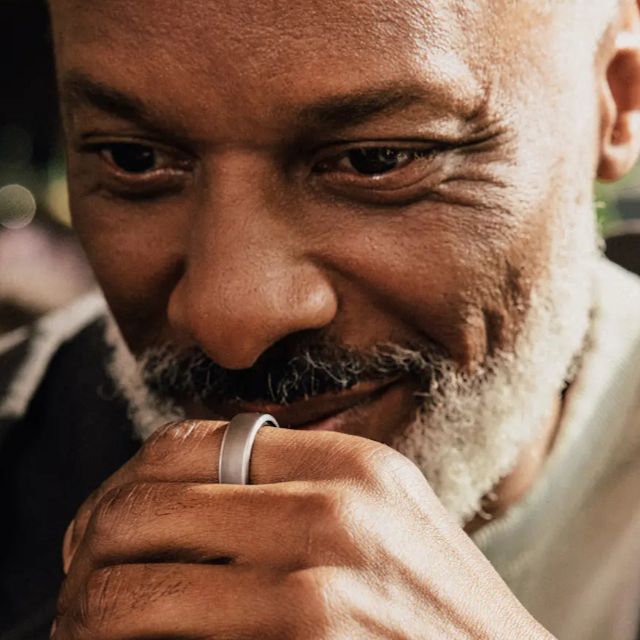
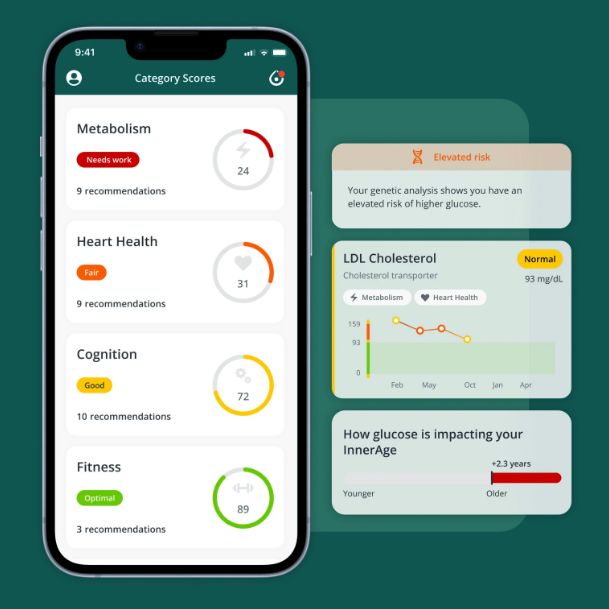
Matt's Trusted Brands


Matt's Health Routine
Routine
• Wake-Up: Consistent timing each morning
• Morning Light: Expose to daylight early for circadian alignment
• Hydration & Caffeine: Delay caffeine until after morning window
• Wind-Down: Begin evening ritual 2–3 hours before bed (dim lights, no screens)
• Night Rituals: Bath, cool bedroom, journal or breathing as buffer before sleep
• Sleep: Prioritize regular schedule, 7–9 hours per night
Workout
• Regular movement: Avoid sedentariness — daily activity supports sleep
• End-of-day timing: Finish vigorous training >2–3 hours before bedtime
HOW DID YOU LIKE TODAY'S ISSUE?
Health Disclaimer
New Zapiens’ products and services are not intended to substitute for professional medical guidance. Our content and media offerings do not aim to diagnose, cure, or address any medical issues.
