


Happy Thursday, Zapien — Here’s what we’re diving into this week:
Master your hormones: Science-backed protocols for perimenopause and performance
Free Harvard MD Slow Aging Guide — small steps, big impact
Community highlights: Protein picks, EMF tips, and microdose debates
Inside Novak Djokovic’s plant-powered routine for elite performance
Stay sharp,
Karol, Martin, Simon & Andy
Presented By

Our partners AYUN and AVEA are hosting an evening on personalized nutrition, supplement science, and sleep optimization. Expert keynotes, networking, and exclusive goodie bags included.
Event: AVEA x AYUN in Zurich
Date & Time: November 7, 5–9 PM
Location: AYUN Clinic
Language: German
Spots: Limited availability
Perk: Free entry for New Zapiens members (CHF 30 value)
Code: NEWZAPIENS7
Popular Discussion



Hormonal Chaos or Chance? What Perimenopause Does to Your Body – and How to Stay in Control

Welcome to the Hormonal Wild West
It sneaks in quietly – or sometimes hits like a drumroll: perimenopause. Somewhere between your mid-30s and early 50s, many women enter a phase of transition. Cycles become irregular, sleep gets moody, and your emotions? They might just start dancing to their own rhythm.
But before you think, "Is this the beginning of the end?" – hold up. Perimenopause isn’t a decline. It’s a biological reset. And the more you understand what’s happening in your body, the more you’ll realize: This phase holds real potential – for growth, strength, and a new kind of self-care.
What Is Perimenopause, Really?
Perimenopause is the transition period before menopause – that is, before your final menstrual period. It can last anywhere from 4 to 10 years. During this time, your hormone levels start to fluctuate, which can show up in a whole range of physical and emotional shifts.
Some of the usual suspects?
Mood swings, sleep issues, hot flashes, weight gain, or just that strange feeling of “I don’t feel like myself anymore.”
But take a breath – you’re not alone. And more importantly: you’re not powerless.
Short Hack Long Life
Reset your mind with Non-Sleep Deep Rest (NSDR)
Short, structured rest isn’t wasted time — it’s active recovery for your brain and body. Non-Sleep Deep Rest (NSDR), also known as yoga nidra or guided body scans, helps the nervous system shift from alertness toward relaxation and repair.
Studies show that regular NSDR sessions can reduce stress, lower cortisol, and improve mood, sleep quality, and focus. Practiced consistently, it may also enhance cognitive performance and stress resilience by calming breathing and activating the parasympathetic “rest and restore” system.
Even short 10–20 minute sessions, practiced regularly, have been shown to reduce stress and support recovery after poor sleep.
How to practice NSDR:
🧘 Lie down in a quiet, comfortable space
🎧 Play a guided NSDR audio (10–20 min)
🕰 Try it after lunch, post-workout, or before bed
😌 Stay awake but deeply relaxed — drifting off is fine
→ Small pause, big reset for mind and focus.
Free Tool of the Week
Slow Aging Guide
6 Easy Practices to Start Now
✔ 6 evidence-based practices that slow aging
✔ Co-created with Harvard physician Dr. Anne Latz
✔ Start today—no budget or life overhaul required
✔ Trusted by 10,000+ worldwide

WhatsApp Group Summary
Protein Sources
Discussion:
Members explored alternative protein options and longevity-inspired diets. Tom explained that hydrolyzed fish protein may be absorbed faster, though solid evidence is still lacking. Johnny raised sustainability concerns, comparing fish to whey and plant-based proteins.
Consider this:
• Choose proven, sustainable sources before testing new products.
• Look for independent studies, not just brand claims.
EMF Exposure
Discussion:
Fred measured electromagnetic fields near a potential home using a Trifield TF2. Jens advised focusing on everyday indoor sources like WiFi and wiring rather than nearby tram lines.
Consider this:
• Reduce EMFs from home devices first.
• Turning off WiFi at night is a simple, effective step.
Lithium Supplementation
Discussion:
Jonas reopened the topic of lithium orotate, asking for reliable brands. Heiko suggested iHerb, while members discussed its potential mood and sleep benefits, emphasizing careful dosing.
Consider this:
• Use only under medical guidance — dosage precision is key.
• For sleep or mood support, address lifestyle factors first.
Community Health Stack

Novak Djokovic
Professional tennis-player and longevity-oriented athlete. Using holistic wellness, functional training, and plant-based nutrition to sustain elite performance at age 38+.
Novak's Trusted Brands

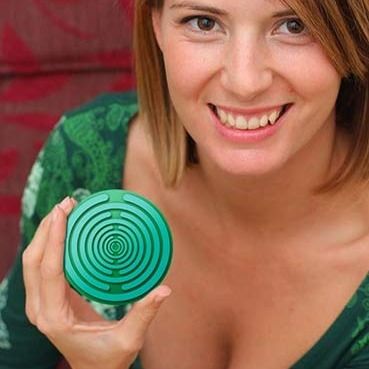
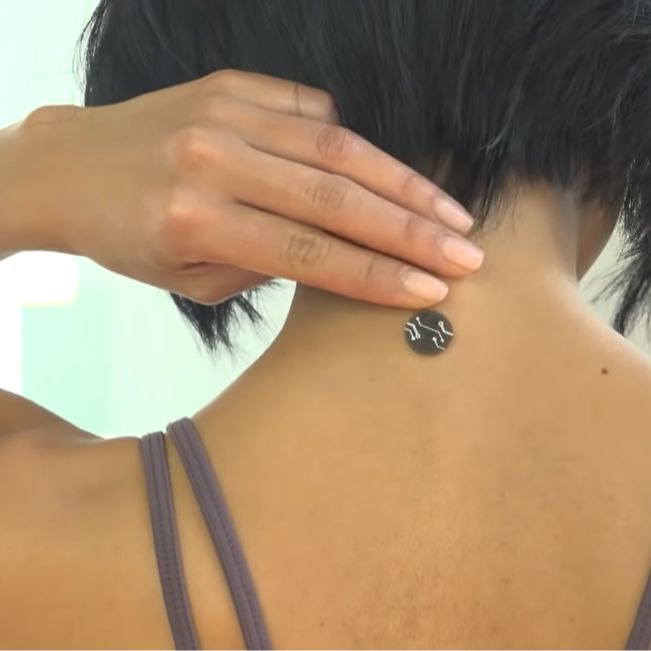


Novak's Health Routine
Routine
• Wake-Up: Early start, hydrating lemon water, gratitude moment
• Training: On-court drills plus gym sessions most days
• Movement: Staying active off-court with outdoor sports and functional work
• Recovery: Ice baths or sauna, mobility work every day
• Meals: Plant-based focus, gluten- & dairy-free, light digestion
• Diet Window: Eating optimized (whole foods, minimal sugar)
• Wind-Down: Nature time, breath-work, screen-free evening
• Sleep: Consistent bedtime, prioritizing full recovery
Workout
• Strength: Functional resistance, core & leg emphasis
• Agility: Tennis drills, sprints, on-court movement
HOW DID YOU LIKE TODAY'S ISSUE?
Health Disclaimer
New Zapiens’ products and services are not intended to substitute for professional medical guidance. Our content and media offerings do not aim to diagnose, cure, or address any medical issues.
