


Happy Thursday, Zapien — Here’s what we’re diving into in this week’s issue:
What 85 Years of Harvard Research Reveals About Living Longer – Discover what the longest-running study on human development teaches us about longevity, relationships, and the factors that actually predict healthy aging across decades.
Deep Sleep Guide – A practical, science-backed guide to optimizing your sleep architecture, increasing deep sleep phases, and addressing the most common barriers to restorative rest.
Community highlights: Energy strategies for low-light winter climates, curated longevity podcast recommendations, and BPC-157 dosing protocols for post-surgical knee recovery.
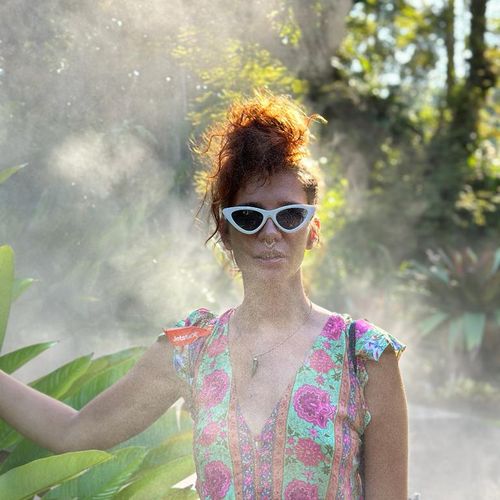
Cristina Manole’s Health Stack – Global strategist and architect of the new longevity era. Cristina works at the intersection of regenerative hospitality, preventive medicine, neuroscience, and human-centered design — shaping next-generation wellness destinations worldwide.
Forever,
Karol, Martin, Simon & Andy
Presented By

Community Discussion

What 85 Years of Harvard Research Reveals About Living Longer

You track your HRV, optimize your sleep, and dial in your micronutrients — then Harvard’s 85-year study on adult development delivers an inconvenient finding.
The single strongest predictor of whether you’ll be healthy at 80 is the quality of your relationships. This is the longest longitudinal research on human life ever conducted, tracking 724 men and their descendants across nearly a century. Social connection functions as a biological input, measurable like exercise or nutrition.
Chronic loneliness carries the same cardiovascular risk as smoking 15 cigarettes a day, yet most high-performers treat it as an afterthought.
The problem? A full calendar often masks social emptiness. Most conversations stay transactional, never triggering the oxytocin-rich nervous system reset that protects long-term health.
This article breaks down three actionable protocols to engineer depth into the relationships you already have.
Short Hack Long Life
The Weekly Purpose Check-In
The Ohsaki Study tracked 43,391 Japanese adults over 7 years and found that those without a sense of ikigai (purpose in life) had a 50% higher risk of all-cause mortality. A 12.5-year follow-up study of 73,000+ people showed men with ikigai had a 15% lower all-cause mortality risk and a 72% lower risk of death from stroke. The effect remained significant even after controlling for physical health, social participation, and mental stress.
The fix: Ikigai translates to “a reason for being” — having something that makes waking up meaningful. The mechanism works through stress buffering (people with purpose perceive stressors as less threatening and recover faster), health behavior motivation (ikigai predicts better adherence to exercise, sleep, and medical appointments), and physiological regulation (lower inflammation, better HRV, improved autonomic balance). Purpose actively shapes how you engage with stress and health behaviors daily.
The Protocol:
🕐 When: 10 minutes weekly. Sunday evening works well — enough time to reflect on the past week and calibrate for the next. Consistency matters more than duration.
🎯 Specificity: Answer three questions in writing: (1) What gave me a sense of contribution this week? (contribution to others or something larger, regardless of scale), (2) What am I looking forward to next week that feels meaningful? (3) Is there something I’m doing regularly that has lost its sense of purpose? Concrete answers activate the neural pathways more reliably than abstract reflection.
🚫 Friction removal: Use voice notes if writing feels like friction. The barrier is starting — voice memos count. If you miss a week, continue without restarting. The goal is pattern recognition over time, seeing what consistently surfaces as meaningful.
📊 Tracking: Monitor subjective sense of direction weekly — “Do I feel like what I’m doing matters?” Track stress recovery speed (how long it takes to return to baseline after disruption). Studies show measurable physiological changes appear within 8-12 weeks of consistent practice.
Deep Sleep Guide
18 science-backed sleep upgrades for more energy & focus
✔ Simple, practical, zero costs and gadgets
✔ Sleep deeper and wake up recharged
✔ Trusted by 15,000+ health enthusiasts worldwide

WhatsApp Group Summary
Best Longevity Podcasts
Discussion: A member asked for recommendations on the best longevity podcasts worth following.
The verdict: The community pointed to New Zapiens’ curated list of the top 16 health and longevity podcasts for 2025, which covers the landscape from science-heavy deep dives to actionable protocol breakdowns.
Consider this: The longevity podcast space has exploded, making curation more valuable than ever. Quality varies wildly — some prioritize clickbait over science, while others get lost in theory without practical application. A vetted list saves hours of trial and error finding shows that balance evidence, accessibility, and implementation.
BPC-157 Dosage for Post-Surgical Knee Recovery
Discussion: A member asked for BPC-157 subcutaneous dosage recommendations for meniscus tears and knee arthritis following surgery.
The verdict: Community members with peptide experience recommended 500mcg daily as a baseline post-surgical dose, with some suggesting splitting it into two 250mcg injections. For acute injury recovery, doses can range from 1-2mg daily (split into two doses of 500mcg each). Higher doses (1-5mg) are reserved for acute injury scenarios and shouldn’t be run continuously. The standard protocol follows a 5 days on, 2 days off cycle at 350mcg, though post-surgical recovery typically warrants higher dosing.
Consider this: For those wanting to learn more about peptides, dosing protocols, and safety considerations, check out our Peptide Guide.
Energy Management in Low-Light Climates During Winter
Discussion: A member asked for practical guidance on managing lymphatic edema — treatments, products, and approaches worth knowing about.
The verdict: A community member recommended a combination approach including vitamin D3/K2 supplementation, consistent exercise, daylight lamp usage, and quality time with family and friends. The multi-factor strategy addresses both the physiological deficits (vitamin D, circadian rhythm disruption) and the psychological components (social connection, movement) that compound during low-light winter months.
Consider this: Winter energy decline in cloudy climates is rarely a single-variable problem. Light exposure affects circadian rhythm, vitamin D synthesis, and mood regulation simultaneously. Addressing only one pathway (supplementation alone) often produces incomplete results. A daylight lamp used in the morning, combined with outdoor movement even in cloudy weather and maintained social connection, creates a more comprehensive intervention than any single approach.
Community Health Stack

Cristina Manole
Global strategist and architect of the new longevity era, Cristina created the RoIH™ (Return on Inner Health) framework that’s reshaping how next-generation wellness destinations integrate diagnostics, cultural intelligence, and emotional architecture.
Her work spans regenerative hospitality, preventive medicine, neuroscience, and human-centered design — and her personal health stack reflects the same level of systems thinking she applies to building longevity ecosystems worldwide.


Cristina`s Health Routine
Wake-up: 6:30 AM summer time and 7:30 winter time
I begin the day with intention. Movement comes first: a 30-minute treadmill session alternating 3 minutes of brisk walking with 3 minutes of active recovery. Then, I spend 30 minutes in natural morning sunlight — a non-negotiable ritual that supports circadian alignment, mood, and mental clarity.
Morning Ritual
I start with a ceremonial cacao blend, combined with L-glutamine and creatine a mix that supports gut and cognitive health for me. I usually skip early breakfast, but when I feel the need, I’ll blend a simple smoothie: banana, blueberries, and a touch of plant-based protein.
Supplements
Late morning, I take a high protein breakfast plus targeted combination of bromelain, quercetin, zinc L-carnosine, vitamin D3 with K2, and a vitamin C + zinc complex — for immune support, gut integrity, and inflammatory balance.
HOW DID YOU LIKE TODAY'S ISSUE?
Health Disclaimer
New Zapiens’ products and services are not intended to substitute for professional medical guidance. Our content and media offerings do not aim to diagnose, cure, or address any medical issues.
