


Happy Thursday, Zapien — Here’s what we’re diving into in this week’s issue:
Annie Nosh: The Woman Quietly Dominating Longevity’s Leaderboard – How she went from chronic health struggles to #2 in the world. Her complete approach to sleep, movement, nutrition, and stress that delivered elite-level age reversal.
Slow Aging Guide – Apply the same evidence-based principles to optimize your own biological age, regardless of where you’re starting from.
Community highlights: Sleep quality optimization strategies, gluteal muscle strain recovery protocols, and comprehensive baseline testing options in Berlin.
Annie’s Health Stack – The exact practices and protocols that fuel a top-2 global performer. From her non-negotiable morning habits to her evening wind-down routine.
We are looking for an Entrepreneur in Residence – Join the driver's seat. This is your chance to build at the intersection of longevity, AI, and health tech with us. Apply here.
Forever,
Karol, Martin, Simon & Andy
Presented By

Community Discussion

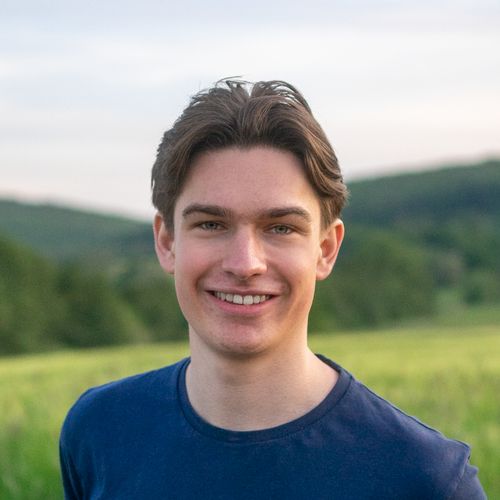
Annie Nosh: #2 Globally in Age Reversal—Spending $1,999,000 Less Than Bryan Johnson

Annie Nosh didn’t start as a longevity optimization expert. She started with chronic health issues that forced her to take control.
Today, she ranks #2 globally on the Rejuvenation Olympics leaderboard with a biological age of 30 at chronological 47—a 17-year reversal that puts her just behind Bryan Johnson.
No experimental compounds. No million-dollar labs. Just disciplined execution on sleep, movement, nutrition, and stress management that most people know about but few actually implement. In this interview, Annie breaks down her complete approach: the non-negotiables that moved the needle, the mistakes she made along the way, and the specific protocols that delivered measurable age reversal.
If you’re serious about optimization, this is required reading.
Short Hack Long Life
The 2026 Longevity Conference Calendar You Actually Need
Missing the right conference means missing the connections, insights, and collaborations that move your health optimization forward. We’ve mapped the essential longevity events for 2026—from intimate scientific gatherings to major industry summits—so you can plan strategically instead of scrambling last-minute.
The fix: This curated calendar cuts through event noise to highlight conferences worth your time and travel budget. Whether you’re looking to connect with researchers, meet founders building longevity companies, or dive deep into emerging protocols, you’ll know exactly which events match your goals and when to book.
Slow Aging Guide
6 Practises to Start Today
✔ 6 evidence-based practices that slow aging
✔ With Harvard physician Dr. Anne Latz
✔ No budget or life overhaul required

WhatsApp Group Summary
Optimizing Sleep Quality Beyond Quantity
Discussion: A member discovered poor sleep quality despite adequate duration—only 50-70 minutes deep sleep and 50-90 minutes REM despite 7-7.5 hours total. They asked for actionable levers to improve quality beyond their current protocol: fixed bedtime at 22:30-23:00, no food post 8pm, screen-free 60 minutes before bed, relaxation walks/breathing exercises, and optional magnesium glycinate plus glycine supplementation.
The verdict: Everything in health is context-dependent, but actionable steps matter most. Moving eating windows further from bedtime is a safer first step—for most people, eating 3-4 hours before bed is optimal. If timing doesn’t help, experiment with meal composition rather than just timing. Meta-analyses show mixed evidence, but top physicians like Peter Attia and biohackers like Bryan Johnson generally recommend 3-4 hour fasting windows before bed with “mild hunger.” If eating close to bedtime helps at all, it should be a small snack that combats strong hunger. Additional factors to optimize: no alcohol (even small amounts), no caffeine 10-12 hours before sleep, cold sleeping environment (18°C), absolute darkness (sleep mask works), no blue light from screens 2-3 hours before bed (use night mode or blue-blocking glasses), and no intense workouts 4 hours before sleep.
Consider this: Sleep quality optimization requires systematic experimentation. Start with meal timing (3-4 hour window), then layer in environmental factors (temperature, darkness, light exposure) before adding supplements. For most people, the 3-4 hour fasting window before bed delivers measurable improvements in deep sleep and REM cycles.
Recovering from Persistent Gluteal Muscle Strain
Discussion: A member has been struggling with a left gluteal muscle strain for four months. An orthopedic surgeon recommended four weeks of ibuprofen, which they declined. The injury isn’t healing despite time, and constant use (especially with a young child at home) makes recovery difficult. They’re eager to return to running and asked for recovery strategies beyond pharmaceutical intervention.
The verdict: The community strongly recommended consulting an experienced sports physiotherapist rather than relying solely on orthopedic imaging. A good therapist can identify functional movement restrictions (like internal/external rotation issues) that X-rays miss. One member shared success skipping doctors entirely and going straight to physiotherapists for diagnosis, then researching targeted treatment options. They found Liebscher & Bracht exercises particularly effective once they had an accurate diagnosis—emphasizing that expert assessment is crucial for finding the right exercises. Another member recovered from a snowboarding knee injury in six weeks using red light therapy (approximately 5 times per week), experiencing noticeably reduced pain and inflammation.
Consider this: Persistent injuries that don’t respond to rest often have underlying movement dysfunction or compensation patterns that need professional assessment.
Building a Baseline Testing Protocol in Berlin
Discussion: A member is starting their comprehensive testing journey to establish a baseline, motivated by family history of Alzheimer’s. They’ve ordered the tellmeGen raw data test and researched Berlin options for blood markers and VO2max testing. Circle Health’s package (currently €400) appears to offer the best value, including advanced blood panels (with Omega-3), stool analysis, VNS, and VO2max testing. However, they discovered Circle’s VO2max is a resting measurement (lying down for 1 minute) rather than active spiroergometry, raising questions about whether this provides actionable data beyond what wearables like Apple Watch, Garmin, or Oura already track. They’re looking for either validation of Circle’s approach or recommendations for better all-in-one packages combining blood, stool, and active VO2max testing in Berlin.
The verdict: The community recommended Aniva.Health as an excellent alternative for comprehensive, cost-effective biomarker testing with strong value for money. For specific blood markers not included in standard packages, IMD Berlin was suggested as a specialist option. Regarding VO2max testing, one member revealed that some German health insurance providers cover up to 80% of sports medicine examinations (Sportmedizinuntersuchungen), which include proper VO2max testing—making separate active testing potentially affordable through insurance benefits rather than bundled packages.
Consider this: Before committing to bundled packages, check your health insurance benefits for sports medicine coverage that might subsidize proper active VO2max testing.
Community Health Stack

Annie Nosh
Annie Nosh isn’t a longevity influencer or biohacking entrepreneur. She’s a regular person who got serious about her health and ended up outperforming almost everyone on the planet.
Her superpower: treating optimization like a craft, not a trend.


Annie`s Health Routine
Morning
• Wake naturally around 7am (no alarm)
• Check Oura for overnight recovery insights
• Open blinds to support circadian rhythm
• Oral hygiene
• Hydrate and take morning supplements
(caffeine multivitamin, omega-3, vitamin D)
• Eat a Kind bar to support fat-soluble supplements
• Walk ~10,000 steps
• Take calls while walking on the treadmill
• Get ready for the day
Afternoon
• Protein + greens
(egg whites with salad, or steamed broccoli/cauliflower, or fresh vegetables)
• Second supplement round
(senolytics + NR)
• Weight training and stretching
• Additional walking/steps
• Prioritize natural light exposure through sunset
🚨 Hiring Alert: Entrepreneur in Residence 🚨
Not a typical hire. We’re looking for a builder who wants equity, decision power, and a real seat at the table as we scale New Zapiens through the longevity inflection point.
The role:
• €3K-5K/month
• 2.5-7.5% equity
• Remote
• Full-time
• Start now
No CV required. Just share what you’ve built in a 5-minute survey.
HOW DID YOU LIKE TODAY'S ISSUE?
Health Disclaimer
New Zapiens’ products and services are not intended to substitute for professional medical guidance. Our content and media offerings do not aim to diagnose, cure, or address any medical issues.
